In this article
- The Mystery Behind Myofascial Release Therapy in Montreal, QC
- What are myofascial release techniques designed to do?
- Added Benefits Of Myofascial Therapy
- PAA – People Also Ask
- Does myofascial release hurt?
- How soon will I feel relieved?
- Is myofascial release different from massage?
- Can myofascial release be tried by children or older adults?
- Why choose myofascial release therapy at Eternel Experience?
- Relaxation Awaits You
- Frequently Asked Questions
- What will happen during my session?
- How long is a typical session?
- What to wear or bring with me?
- Is the therapy safe?
- How often should I receive this therapy?
Have you ever felt that your body is tight, stiff, or sore for no apparent reason? Maybe your back hurts when you stand, or your shoulders feel heavy at the end of a long day. Well, most people don’t realise this discomfort could be coming from something called fascia. So, that is just why myofascial release therapy in Montreal, QC has become so helpful for people who want to feel lighter, more relaxed, and free from this annoying pain. At Eternel Experience, we see many clients who have tried different treatments but still feel uncomfortable. When they finally try our myofascial release, they are surprised by just how gentle and effective it is. So today, we’re going to explain what myofascial release techniques are designed to do, why they work, and why you should get them done right now.
The Mystery Behind Myofascial Release Therapy in Montreal, QC
Think of your body as a giant soft puzzle. Now imagine that over every piece of that puzzle, there is a thin, stretchy layer over your muscles, bones, nerves, and organs. That layer is called fascia. Fascia is like a spider web inside your body. It’s soft, firm, and always there to support everything. However, just as easily as a spider web can become twisted or stuck, so can the fascia in your body become tight or tangled. When that happens, you may feel pain, rigidity, pressure, or soreness. A feeling that your body is “stuck.” That’s where myofascial release techniques come in.
What are myofascial release techniques designed to do?
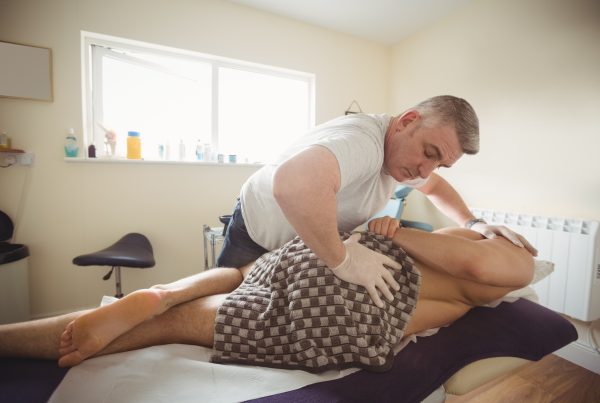
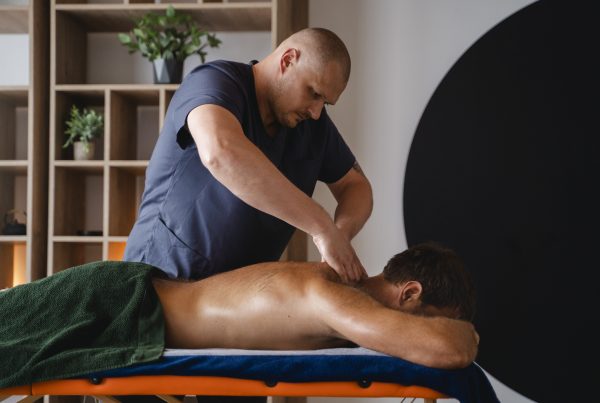
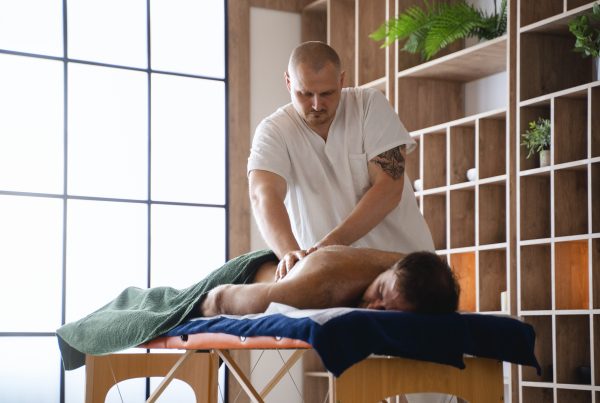
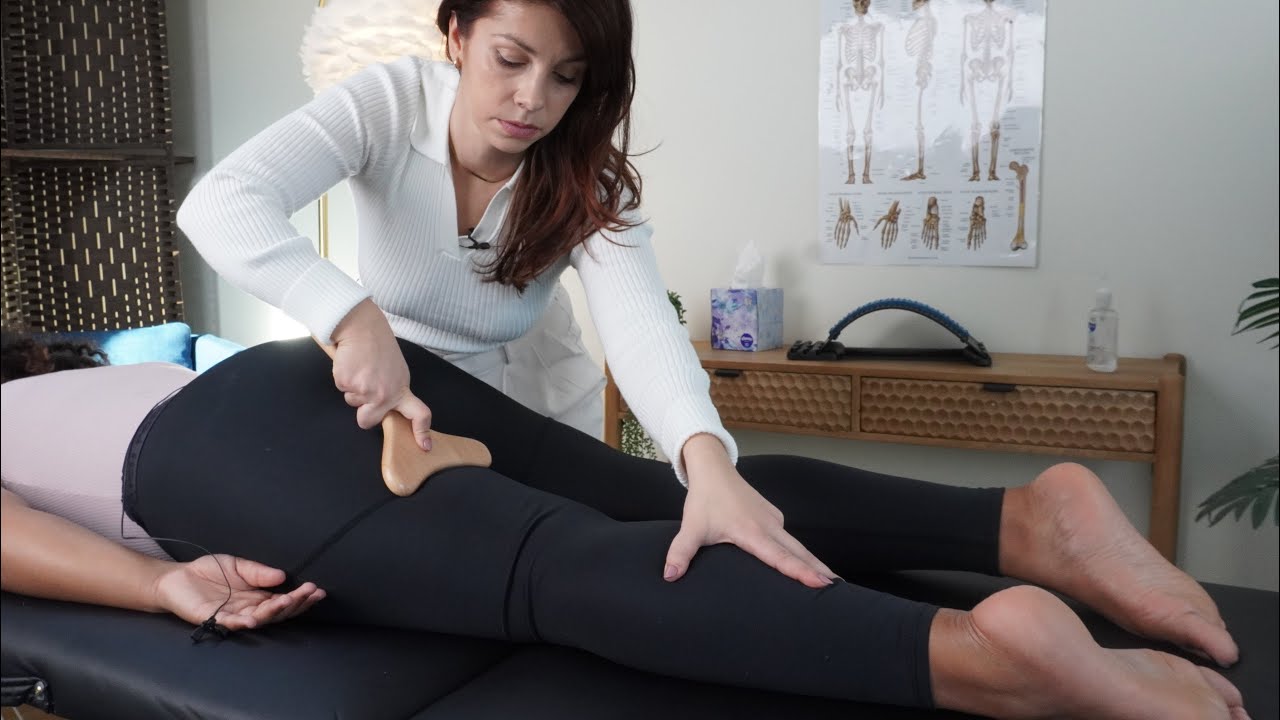
Therapists have designed myofascial release as a gentle, hands-on therapy to loosen and relax your fascia. Not painful or rough, it is slow and very calming. The therapist uses gentle hand pressure to help your body relax. Here are the main things these techniques do:
- Loosen Tight Muscles and Fascia: The primary goal of myofascial release is to soften stiff areas of your body. When fascia gets stiff, it squeezes your muscles, making them feel tight, like wearing clothes that are too small.
- Reduce Long-Lasting or Unexplained Pain: Many people experience pain with no apparent cause. They try massages, stretching exercises, or medicine, but nothing manages to rid them of the pain. That’s often because the real reason is hidden in the fascia. Getting this massage helps them drive away the pain.
- Increase Movement and Flexibility: If your fascia is tight, your body is less flexible to move. Simple things, such as bending, stretching, or even turning your head, may feel uncomfortable. This is a reason athletes love myofascial release therapy: it helps them maintain good flexibility and avoid injuries.
Added Benefits Of Myofascial Therapy
- Break Down Scar Tissue and Knots: Sometimes the fascia creates knots or sticky spots known as adhesions. These can occur following injuries, surgeries, or with repetitive motion. Myofascial release gently breaks down these areas, helping the tissue move smoothly again. This can reduce pain and make moving feel more natural.
- Improve Blood and Lymphatic Flow: Your body needs good blood and lymphatic flow to stay healthy. It also needs lymphatic flow, which helps remove waste and reduce swelling. When fascia becomes tight, it may block these flows. As your body gets better flow, you naturally feel more energised and comfortable.
- Help Reduce Stress Stored in the Body: We associate stress with mental processes, but it also involves the body as a whole. Whenever you feel overwhelmed or concerned about something, the muscles contract, and so does the fascia.
PAA – People Also Ask
-
Does myofascial release hurt?
No, myofascial release therapy in Montreal, QC, is gentle and slow. You may feel pressure, but it should not hurt.
-
How soon will I feel relieved?
Many people notice relief in their very first session, while others may need a few sessions depending on their condition.
-
Is myofascial release different from massage?
Yes, massage works on the muscles, while myofascial release focuses on the fascia. You can get it done with slower movements and gentle pressure.
-
Can myofascial release be tried by children or older adults?
Yes, it is safe for most people due to its gentle, non-invasive nature.
Why choose myofascial release therapy at Eternel Experience?
The therapists at Eternel Experience are warm, skilled, and trained to provide the best care possible for you. Healing should feel gentle and natural, rather than painful. People come to us because we offer:
- A calm, relaxing space
- Friendly, knowledgeable therapists
- Customised sessions based on your needs
- A caring environment in which you feel safe
- We work toward healing your body and making it feel its best.
Relaxation Awaits You
Myofascial release therapy in Montreal, QC, can help your body relax, move better, and feel more comfortable. It gently releases tight fascia, reduces pain, improves movement, and even helps with stress. If you want to feel lighter, more relaxed, and free from discomfort, myofascial release from Eternel Experience is a great place to begin. At Eternel Experience, we care for your comfort, your health, and your overall well-being. Allow us to help your body regain the balance it deserves, one gentle session at a time. Visit our website now.
Frequently Asked Questions
-
What will happen during my session?
Your therapist will lightly press on areas of fascia tension. The pressure is slow and deliberate, allowing the tissue to soften. In general, a session is peaceful and calming.
-
How long is a typical session?
Session times vary according to need, but usually last 45 to 60 minutes.
-
What to wear or bring with me?
Wear comfortable clothes and drink water before your appointment. We do not require you to bring anything special.
-
Is the therapy safe?
Yes, myofascial release is gentle and safe for most patients. If you have any medical concerns, let your therapist know.
-
How often should I receive this therapy?
Some people come once a week, others every few weeks. It depends on your pain level and goals.