In this article
- What Is Reiki Massage?
- What Is Traditional Massage?
- Reiki Massage vs Traditional Massage: Key Differences
- How Does Reiki Massage Differ From Reiki Healing?
- Who May Prefer a Reiki-based Session?
- Who May Prefer Traditional Massage?
- What Should You Expect During a Reiki Massage Session?
- Before the session
- During the session
- After the session
- Reiki Massage or Traditional Massage: Which One Is Right for You?
- Get Consultation from Eternel Experiences & Let Our Professionals Help You Decide!
- Frequently Asked Questions (FAQs)
Reiki massage or traditional massage? It depends on what you want!
Massage focuses on physical touch. Reiki massage, on the other hand, follows a different philosophy, combining massage with energy. Both can provide time for relaxation, but the better choice depends on what you want from that time.
The distinction becomes easier to understand when you separate Reiki itself from massage that includes Reiki. In a combined appointment, the practitioner brings those two practices together.
That combination can change how the session feels and how much time goes to each activity. And knowing those details helps you choose with clear expectations.
What Is Reiki Massage?
Reiki massage is a session that combines massage techniques with Reiki, an energy-based practice originated in Japan that uses light touch and still hand placements above the recipient’s body.
Some spas call it Reiki-infused massage or Reiki massage therapy. In fact, Many people seem to benefit from this session when they are struggling with mental/physical health (depression, soreness etc).
However, NCCIH, a U.S. government research center, reports that Reiki has not clearly demonstrated benefits for health conditions, and scientific evidence does not support its proposed energy field. This means Reiki may be part of your self-care, but it does not replace medical treatment.
In practice, a therapist might massage your back and then pause with their hands resting lightly near your shoulders. During the pause, you can notice your breathing and whether you are holding tension/pain in your muscles.
This attention can be part of mindfulness and intentional rest.
You can practice the same mindful attention during conventional massage. For a combined session, the sequence varies, so the practitioner should explain how they plan to use both practices.
What Is Traditional Massage?
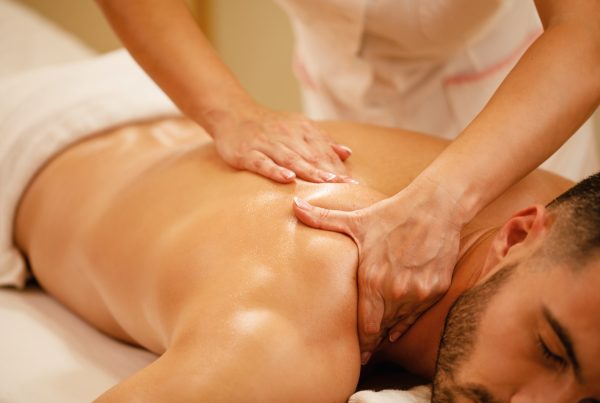
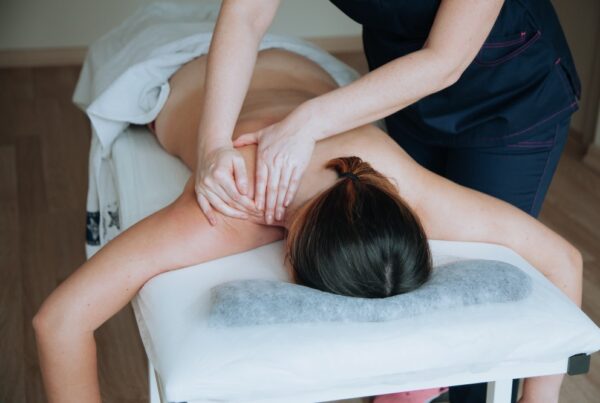
Traditional massage is a hands-on treatment where a massage therapist works on your muscles and soft tissue. Many people know it as a classic massage or Western massage.
Your therapist uses their hands (and sometimes forearms) throughout the session, so the session involves direct contact throughout. That direct contact can include common techniques such as kneading and long gliding strokes.
With compression, your therapist presses and holds one spot, while tapping uses shorter, repeated movements.
You can also ask for lighter or firmer pressure at any point. From there, your therapist can adjust the pace, pressure, and areas they focus on.
For instance, a desk worker with a stiff neck might ask the therapist to spend more time on that area. The therapist can then give that area more attention while adjusting the pressure to keep the session comfortable.
Whatever the request, here are 4 areas every traditional massage centers on.
- Direct touch concentrates the work on the areas you have discussed.
- A relaxation-focused appointment allows time to rest.
- Ongoing communication helps the therapist respond to discomfort.
- A planned appointment reserves time for self-care away from everyday responsibilities.
Reiki Massage vs Traditional Massage: Key Differences
Reiki massage combines light hand placements with massage, while traditional massage uses only direct contact techniques for the full session. Here are 6 differences between the two formats.
| Aspect | Reiki massage | Traditional massage |
| Philosophy | Energy balance plus bodywork | Muscle and soft-tissue care |
| Touch | Light contact and still hands | Direct strokes and kneading |
| Pressure | Gentle to moderate | Light to firm |
| Pace | Slow, with pauses | Steady rhythm |
| Main focus | Calm and mindfulness | Physical relaxation |
| Session format | Varies by practitioner | Follows a familiar structure |
How Does Reiki Massage Differ From Reiki Healing?
Reiki healing is a standalone energy session, while Reiki massage pairs the same energy work with massage strokes. The table below covers 5 points that separate them.
| Aspect | Reiki massage | Reiki healing |
| Massage strokes | Yes | No |
| Touch | Strokes and still hands | Light or hovering hands |
| Clothing | Undressed to your comfort level | Fully clothed |
| Massage oil | Yes | No |
| Focus | Body and energy | Energy alone |
Who May Prefer a Reiki-based Session?
A Reiki-based session suits you if you enjoy complementary wellness practices and want to explore Reiki alongside massage. That interest can take several forms, including these 5 preferences.
- You feel curious about Reiki’s philosophy and want to experience the practice yourself.
- You value mindfulness and prefer relaxation (after a hectic week at the office).
- You enjoy trying something different from your usual massage.
- You want self-care that considers mental rest alongside physical comfort.
- You welcome quiet pauses between hands-on techniques that feel different from a conventional (traditional massage).
Who May Prefer Traditional Massage?
People who want a familiar appointment based solely on physical, direct-contact techniques (without any energy element) may prefer traditional massage (which includes myofascial therapy, four hands massage, cupping massage, hot stone massage, maderotherapy, lymphatic drainage). It may be the right pick if most of these 5 points describe you.
- You want direct hands-on work throughout most of the appointment.
- You prefer one therapist concentrating on massage techniques.
- You value pressure and pace adjusted according to your feedback.
- You are new to massage and need a simple starting point.
- You want an appointment that fits the wellness routine you already follow.
What Should You Expect During a Reiki Massage Session?
You should expect an explanation of the planned treatment and opportunities to discuss your comfort. That conversation continues through the 3 stages below, even after the hands-on work begins.
Before the session
Before treatment, the practitioner needs to understand your goals and relevant health information (and no prior Reiki experience is required). Here are 4 things to cover in that conversation.
- Your preference for massage time or quieter Reiki periods helps shape the session.
- Questions about unfamiliar Reiki elements clarify how the session will proceed.
- Health conditions and medications may affect the massage plan.
- Product sensitivities help the therapist choose suitable oils or lotions.
- Clothing preferences and areas to avoid to establish your comfort boundaries.
During the session
During the session, your therapist alternates between massage and Reiki while you rest in a quiet room. Here are 4 details about the treatment itself.
- You can request a change in pressure.
- You can mention uncomfortable positioning or distracting music.
- You can ask the therapist to keep the noise down so you can rest.
- You can pause or stop the session.
After the session
Afterwards, you have time to sit up and prepare to leave without rushing. Once you have settled, 3 simple factors can help you judge whether the appointment suited you.
- You can identify which parts felt comfortable.
- You can write down anything you would change.
- You can decide whether another session fits your routine.
Reiki Massage or Traditional Massage: Which One Is Right for You?
Traditional massage makes sense when hands-on muscle work is your main priority. A combined appointment may suit you if you also want Reiki, as long as the session leaves enough time for both.
For Reiki with massage, the following 3 checks help you confirm that the appointment matches the preferences discussed above.
- The service description includes both practices rather than Reiki alone.
- The practitioner explains how much time each part receives.
- The person providing the session has training in both practices.
For traditional massage, the following 3 details help you choose a session you can return to comfortably.
- The therapist offers the type of hands-on work you want.
- The session length allows enough time to target your preferred areas.
- The cost and available appointments fit your routine.
How the practitioner divides the time matters when you compare appointments of equal length. A combined appointment may leave less time for muscle work because Reiki occupies part of the visit.
If massage is your priority, that difference matters more than how many practices the appointment includes. And confirming it beforehand helps you make a choice based on the experience you actually want.
A single appointment also lets you assess the format before arranging repeat visits.
Get Consultation from Eternel Experiences & Let Our Professionals Help You Decide!
Reiki massage and traditional massage both support relaxation, although each one uses a different kind of touch. If you still can’t decide, our team at Eternel Experiences can go over your goals and comfort preferences with you before you book.
As for pricing, a 60-minute 2-hand massage costs $130, while a 90-minute 4-hand massage starts at $500. Reiki massage is also one of the techniques available within our Customized Massage.
Since weekly availability stays limited, an early booking gives you more time slots to pick from.
Still deciding? Talk to our team before you book!
Frequently Asked Questions (FAQs)
Q1. Which type of massage is most effective?
No single massage works best for everyone, because effectiveness depends on your goal. Traditional massage fits people who want direct pressure on tight muscles, while a Reiki massage may be the better choice if you prefer a slower pace.
Q2. What should you avoid during a massage?
You do not need to stay silent about painful pressure. Since your therapist cannot feel what you feel, your feedback helps them adjust it. That applies even when you originally requested firmer work. Also, checking your phone mid-session interrupts the session.
Q3. What happens after a Reiki session?
After a Reiki massage, many people feel relaxed and less rushed than usual. Reactions vary, so you might feel sleepy or clear-headed. Either way, you can return to your plans without any recovery time.
Q4. Is traditional massage better than Reiki for relaxation?
Neither approach guarantees greater relaxation for everyone. As the preferences above show, the type of massage you enjoy helps guide your choice. You can also choose differently when your priorities change.