In this article
- What Does Facial Massage in Montreal, QC, Really Do?
- How Can It Help with Acne?
- What to Avoid If You Have Acne
- What About Acne Scars?
- When Should You Skip Facial Massage?
- Facial Massage with Care
- FAQs
- 1. Is facial massage safe for oily or acne-prone skin?
- 2. Can facial massage make acne worse?
- 3. How often should I get a facial massage for acne-prone skin?
- 4. What kind of oil is good for acne-prone skin during massage?
- 5. Should I avoid a massage during an acne flare-up?
- People Also Ask
- Can I do face massage if I have acne?
- What massage is good for acne?
- How to massage acne-prone skin?
- Who should not do a facial massage?
If your skin breaks out easily or feels extra sensitive, you might be unsure about trying facial massage. It’s normal to worry that touching your face could make acne worse. At Eternel Experience, we often hear this question from clients who want clearer, healthier skin but don’t know if massage is the right choice. The truth is, facial massage can be helpful for acne-prone skin when it’s done gently and correctly. It’s not just about relaxation. A proper facial massage can help improve blood flow, calm your skin, reduce puffiness, and even help your skincare products work better. Still, it’s not one-size-fits-all. Let’s look at how facial massage in Montreal, QC, works, what you need to watch out for, and when it might be right for your skin.
What Does Facial Massage in Montreal, QC, Really Do?
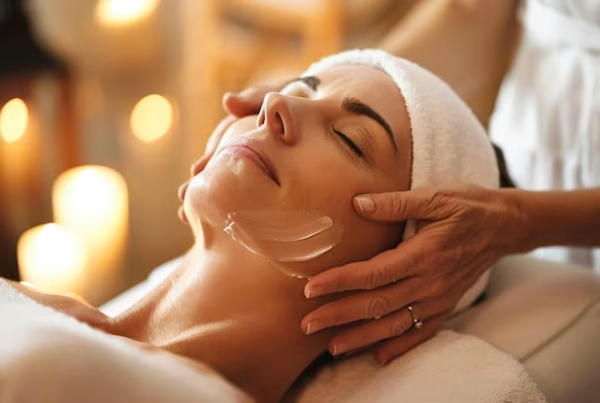
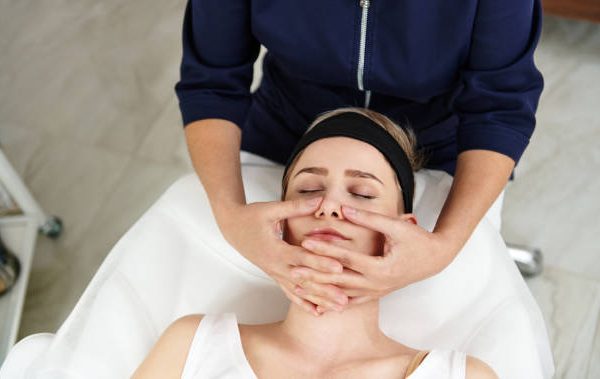
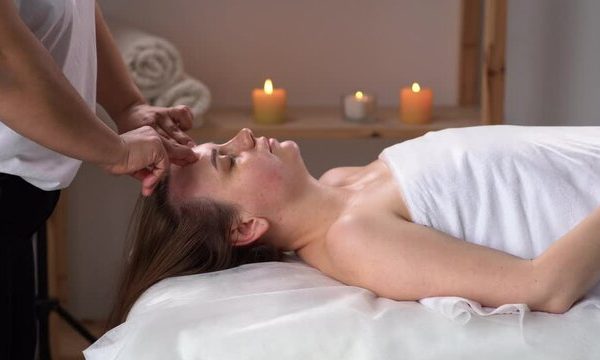
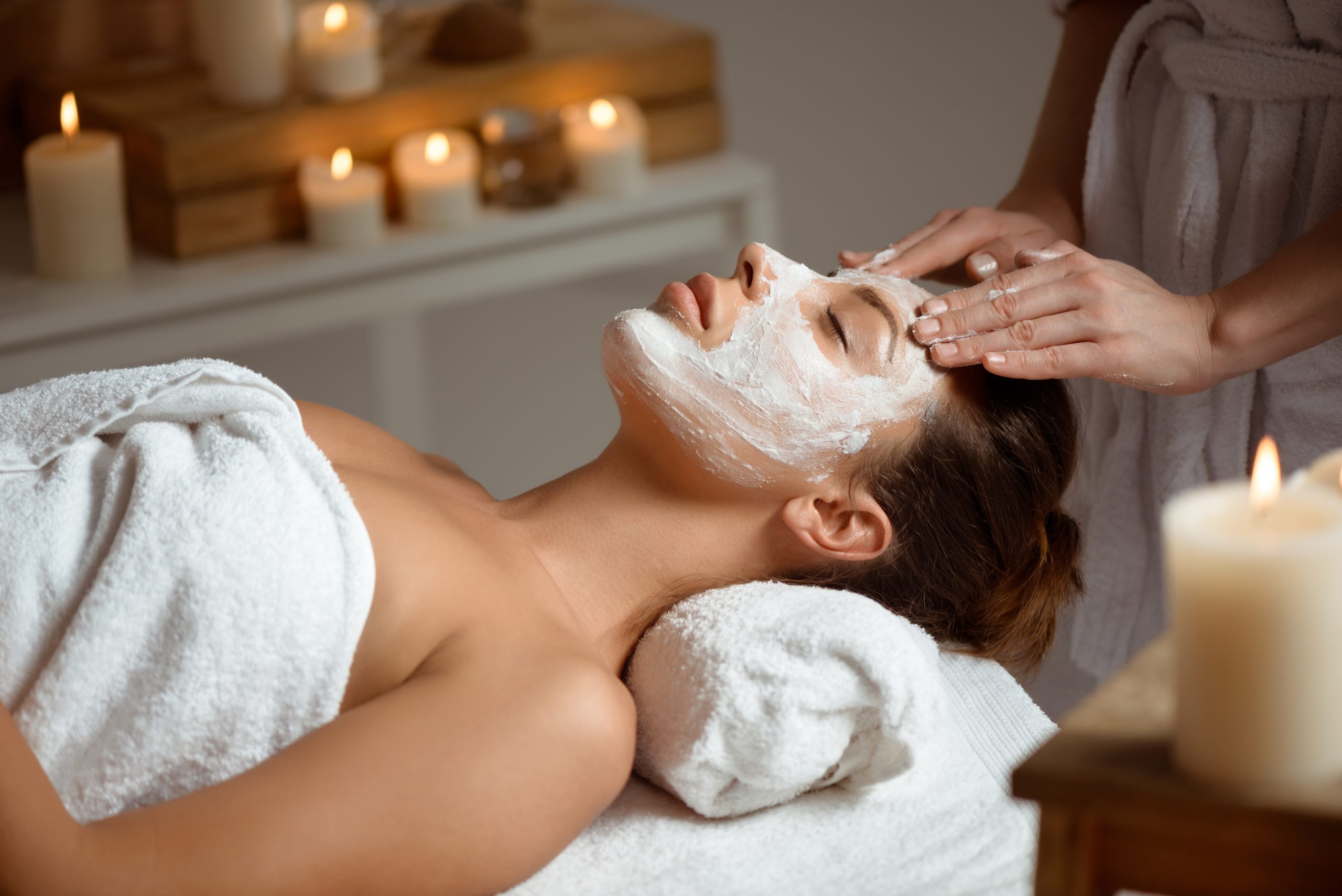
Facial massage is a hands-on method where gentle movements like pressing, stroking, or tapping are used on different parts of your face. These actions are not random. They follow a pattern that helps boost blood circulation, relax tight facial muscles, and support your skin’s natural cleansing process through something called lymphatic drainage. Better circulation means your skin gets more oxygen and nutrients. This helps repair damaged skin cells and keeps your skin looking fresh and healthy. It can also give your face a soft glow because the improved blood flow brings life back to dull or tired-looking skin.
At the same time, facial massage helps move fluid and waste that may be stuck under your skin. This reduces puffiness, especially around your eyes or cheeks, and helps your skin feel less swollen or heavy. When done with clean hands and skin-friendly products, this type of massage can become a gentle and effective step in your skincare routine. It supports your skin from the inside out and can make your other skincare products work better by helping them absorb more deeply.
How Can It Help with Acne?
Acne usually shows up when oil, dirt, or bacteria block your pores. So, the idea of rubbing your face might sound risky. However, if done gently and with clean tools, facial massage can actually support your skin’s recovery.
Here’s how it can help:
- Blood flows more easily during a massage, which brings oxygen and nutrients to your skin. This can help your skin repair itself more quickly.
- It helps move extra fluid out of your face, which may reduce puffiness and make your skin look less swollen.
- Massaging the face can calm down tight muscles. That tension can sometimes lead to more breakouts, so this gentle release may help prevent them.
- It also helps your skincare products go deeper into the skin, which means your acne creams or treatments might work better after a massage.
What to Avoid If You Have Acne
Even though facial massage in Montreal, QC, can help, there are a few things that might make acne worse if you’re not careful.
Hence, keep this in mind:
- Stay away from areas with active pimples or swelling.
- Heavy oils are not a good choice for breakout-prone skin.
- Pressing too hard can upset your skin and cause redness.
- Using unclean hands or tools can spread bacteria.
What About Acne Scars?
If you’ve dealt with breakouts in the past, you might be left with dark marks or uneven texture. Facial massage may not erase scars completely, but it can help fade them over time. By improving blood flow and stimulating your skin’s natural renewal process, massage may reduce the appearance of older acne scars. When paired with a good skincare routine, you could notice smoother, brighter skin in a few weeks. Just remember, this works best for flat scars or pigmentation, not for raised or deep scars.
When Should You Skip Facial Massage?
Facial massage isn’t always the right choice. In some cases, it’s safer to wait:
- Painful or deep cystic acne should be left alone.
- If your skin is peeling, cracked, or very red, skip the massage.
- Some acne treatments can make your skin too sensitive to touch.
Facial Massage with Care
Facial massage in Montreal, QC, won’t completely fix acne, but it can still be a helpful part of your skincare routine. When you use clean tools, light pressure, and products that suit your skin, it can make your face feel calm and look clearer. It also helps relax your muscles, supports healing, and makes your other skincare steps work better.
Since acne-prone skin can be extra sensitive, it’s important to be gentle and careful. This is exactly why you must see someone trained in skin care. At Eternel Experience, we shape every session around your skin so you feel safe, relaxed, and well cared for.
Book your session with us today and give your skin the gentle care it needs!
FAQs
1. Is facial massage safe for oily or acne-prone skin?
Yes, if done gently with non-comedogenic products and clean tools, it’s safe and even helpful.
2. Can facial massage make acne worse?
If done with too much pressure or dirty tools, it can irritate the skin. That’s why technique matters.
3. How often should I get a facial massage for acne-prone skin?
Every 2–4 weeks is usually fine. Let your skin recover between sessions.
4. What kind of oil is good for acne-prone skin during massage?
Light oils like jojoba or rosehip are safe. Avoid thick or greasy oils that clog pores.
5. Should I avoid a massage during an acne flare-up?
Yes, if your acne is inflamed or painful, it’s better to wait until your skin calms down.
People Also Ask
Can I do face massage if I have acne?
Yes, but only if your skin isn’t swollen or very sore.
What massage is good for acne?
Lymphatic drainage massage is the safest choice.
How to massage acne-prone skin?
Use clean hands, light pressure, and avoid active pimples.
Who should not do a facial massage?
People with red, painful, or cracked skin should skip it.