In this article
- What Is Cupping Therapy?
- Cupping Through the Ages: A Brief History
- How Does Cupping Work?
- Benefits of Cupping: Why it Could Become Your Body’s New Bestfriend
- 1- Muscle and Joint Pain Relief
- 2- Sports Recovery and Muscle Flexibility
- 3- Migraines and Headache Relief
- 4- Skin Health and Healing
- 5- Immune Support and Overall Wellness
- Is Cupping Safe?
- Professional vs. At-Home Cupping
- Aspect
- Professional
- At-Home
- What’s the Verdict?
- FAQs
- 1. What comes out of your body when you do cupping?
- 2. Where should you not do cupping?
- 3. What does it mean when cupping marks are dark purple?
- 4. Does cupping help shoulder pain?
- 5. Is cupping good for cellulite on legs?
If you’re a sports fan you probably remember Michael Phelps at the 2016 Olympics – stepping onto the pool deck with mysterious round red marks all over his back and shoulders. People thought he’d gotten a strange kind of hickey – but it was actually cupping therapy.
While it grabbed headlines back then, it’s not something only celebrities do. It’s an actual health and wellness practice that’s been around for thousands of years to relieve muscle tension, improve circulation, and support recovery – and athletes and wellness enthusiasts still swear by it today.
So, does cupping therapy in Montreal, QC actually work? The answer is YES – but how and why it works is still worth a closer look. Let’s break it down.
What Is Cupping Therapy?
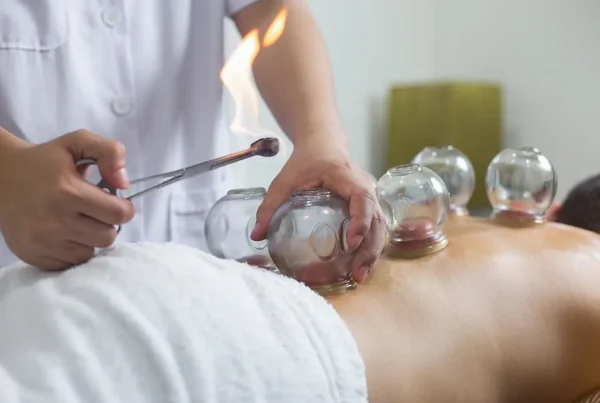
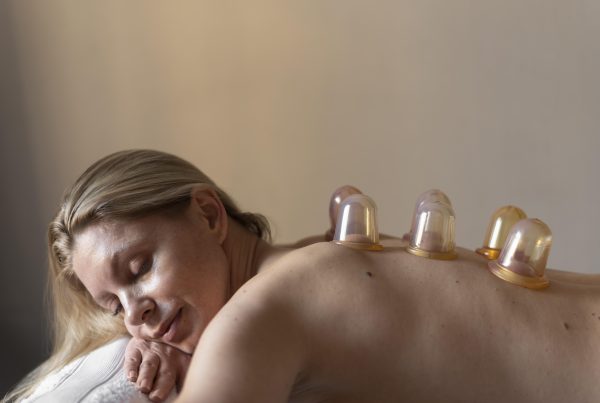
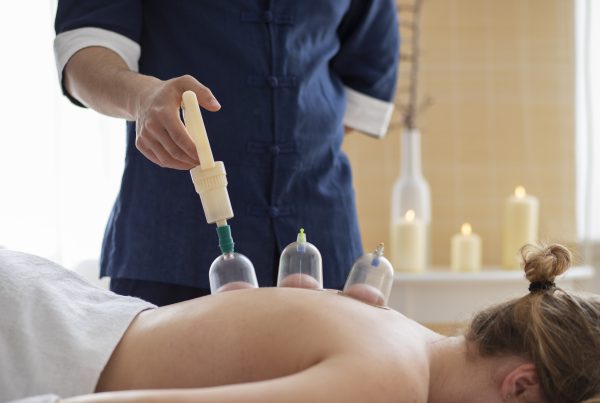
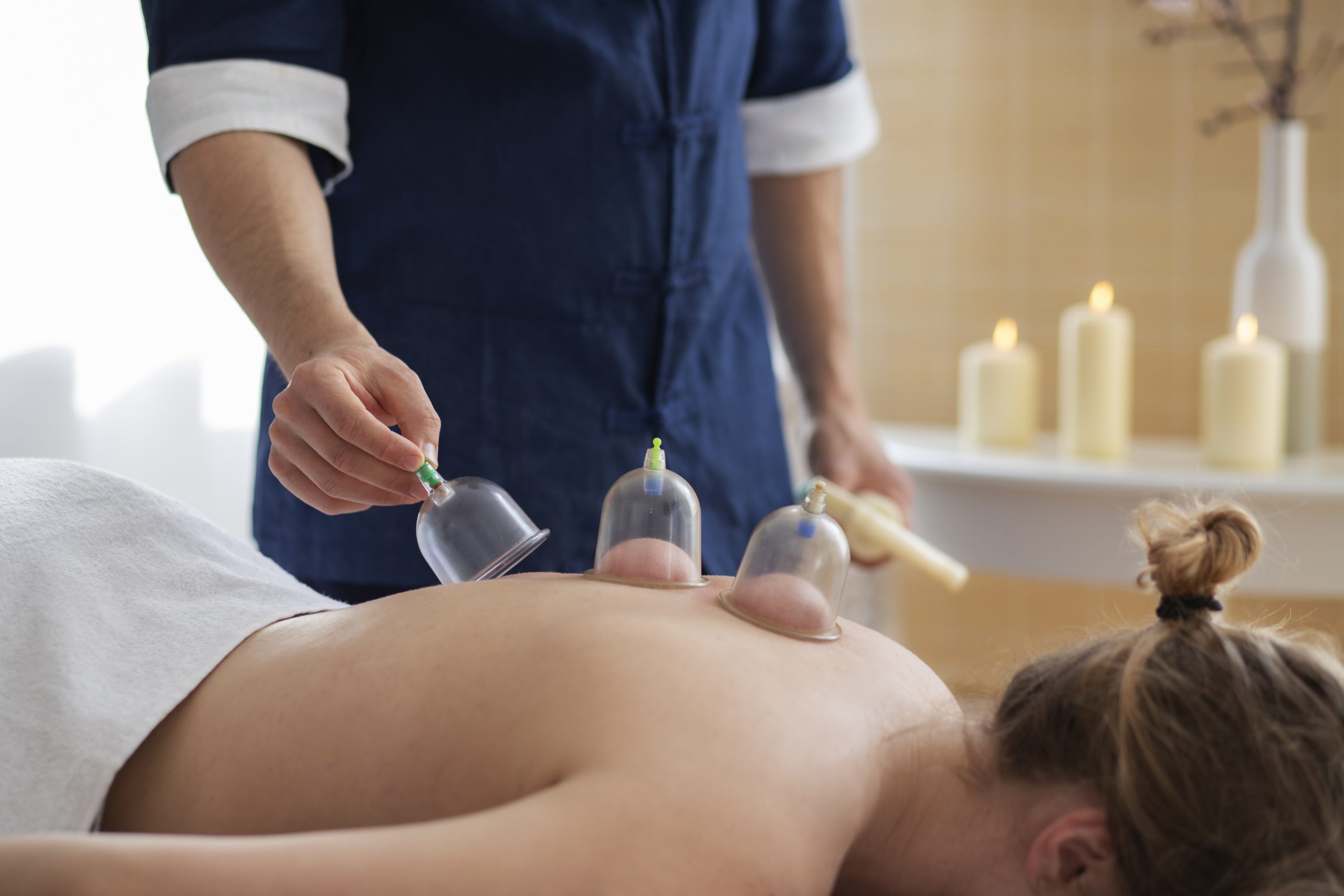
Cupping therapy is pretty simple. A practitioner places cups on your skin and creates suction. This pulls the skin upward, increases blood flow and can help relieve muscle tension.
There are two main types of cupping:
- Dry Cupping – This method uses only suction. Cups are placed on the skin for a few minutes and can either stay in one spot or be gently moved around.
- Wet Cupping – This technique involves suction plus a small amount of blood removal. After creating suction, the practitioner makes tiny cuts in your skin to draw out a little blood.
Those red circular marks after cupping are basically bruises caused by tiny broken blood vessels. They can look pretty dramatic – almost like abstract art on your skin – but don’t worry they usually fade within a week.
FYI, In traditional Chinese medicine, these marks are thought to show that “stagnant” blood or energy is being released – helping your body restore balance and circulation.
Cupping Through the Ages: A Brief History
The roots of cupping therapy in Montreal, QC, stretch back thousands of years to ancient Egypt, China and the Middle East – eventually spreading to Greece, Rome and beyond.
- In traditional Chinese medicine, cupping was practiced alongside acupuncture to relieve pain and improve the flow of energy or Qi.
- In Islamic traditions it’s called Al-Hijamah – believed to restore the body’s natural balance.
- In India, Ayurveda developed similar techniques to cleanse and detoxify the body for overall wellness.
Today cupping has made a comeback in the U.S. and Canada – thanks to athletes and celebrities proudly showing off those iconic circular marks.
How Does Cupping Work?
Cupping functions by applying suction to the skin which draws blood and fluid into the targeted muscles and tissues. This gentle pulling stretches the skin and breaks tiny blood vessels (called capillaries) just beneath the surface of the top layer of your skin.
Your body then responds by sending fresh oxygen-rich blood to the area which helps stimulate healing at the cellular level. This increased circulation and cleansing effect helps release toxins from your body.
According to a recent study using photoacoustic imaging, cupping significantly improves blood flow and lymphatic drainage – supporting faster recovery and reduced muscle tension.
Benefits of Cupping: Why it Could Become Your Body’s New Bestfriend
1- Muscle and Joint Pain Relief
Cupping therapy in Montreal, QC, can be really effective for loosening tight muscles and easing joint stiffness, especially in the back, neck and shoulders. By creating suction it draws blood to the area which helps relax knots, calm inflammation and speed up recovery – from both everyday aches and chronic pain.
2- Sports Recovery and Muscle Flexibility
If you work out a lot or play sports, cupping can be a game-changer. It helps break up lactic acid, loosen tight muscles and improve circulation, so soreness fades faster and your range of motion improves. A lot of athletes and celebrities like LeBron James, Justin Bieber and Jennifer Aniston swear by it after training sessions.
3- Migraines and Headache Relief
Cupping targets the neck, shoulders and upper back – which are common culprits behind tension headaches and migraines. By boosting blood circulation and loosening tight muscles, it can lower the intensity and frequency of headaches – leaving you feeling lighter and more comfortable.
4- Skin Health and Healing
Cupping isn’t just for muscles – it can benefit your skin as well! The enhanced circulation brings oxygen and nutrients to the surface which help with acne, hives and other skin conditions. It also aids your skin’s natural healing, making it healthier over time.
5- Immune Support and Overall Wellness
Cupping helps the body flush out waste and improve lymphatic flow, strengthening immune function. Many people also notice an energy boost and a sense of balance and relaxation afterward – making it a simple way to care for your overall wellness.
Is Cupping Safe?
Cupping is generally safe when done by a trained professional. But there are a few side effects that go away after a few days to a week:
- Bruising in the shape of the cup.
- Mild soreness and swelling.
- Lightheadedness in some people.
Rarely, wet cupping therapy in Montreal, QC, can cause infection or flu-like symptoms if not done properly. This is why professional guidance is important, especially if you’re considering trying it at home.
FYI〜 A lot of first timers fear cupping, thinking it’s going to be extremely painful, but actually, most people describe it more as a firm pulling or tight sensation rather than sharp pain!
Professional vs. At-Home Cupping
A lot of people try cupping at home – hoping to save time and money. But while DIY sessions can be tempting, going to a professional offers significant advantages that not only improve effectiveness but also lower the risk of burns, bruising, or infection.
Aspect |
Professional |
At-Home |
| Safety | Practitioners know exactly what they’re doing | You’re more likely to make mistakes with suction or placement |
| Effectiveness | Cups are placed just right and the suction is controlled, so you get the full benefits | It’s tricky to get the suction or placement right without experience |
| Guidance | Practitioners adjust the technique on the spot depending on how your body reacts | You’re mostly following instructions from a manual or video – with no one there to help |
| Equipment | Sterile, professional grade cups that are cleaned and maintained properly. | DIY kits vary a lot in quality, and sometimes the cups aren’t as safe or durable. |
What’s the Verdict?
Cupping therapy in Montreal, QC, is a time tested therapy with amazing benefits. From easing muscle and joint pain, improving blood circulation – to even helping with headaches and skin health, it offers a holistic boost for your body and overall wellness.
That said, it’s always best to have it done by a professional. At Eternel Experiences, our trained practitioners guide you through every step – ensuring proper technique, personalized care and a relaxing experience to support your body’s recovery process.
Want to experience the advantages yourself? Book a session with us today.
FAQs
1. What comes out of your body when you do cupping?
- There’s no fluid release in dry cupping – just increased blood flow to the area under the cup.
- In wet cupping, the fluid is mostly your blood and lymphatic drainage.
2. Where should you not do cupping?
Avoid cupping over open wounds, infections, varicose veins and inflamed skin. If you’re pregnant, steer clear of cupping around your spine and bony areas without professional guidance cupping.
3. What does it mean when cupping marks are dark purple?
Dark purple marks indicate increased blood flow to that area and show the therapy is working to release tension and improve circulation. They’re normal and usually fade within a few days.
4. Does cupping help shoulder pain?
Absolutely! Shoulder pain often comes from tight muscles, knots, or poor circulation. Cupping increases blood flow and stretches the tissue, helping release tension and easing discomfort.
5. Is cupping good for cellulite on legs?
Cellulite is dimpled fat just under the skin, often on the thighs, hips, and buttocks. Cupping helps break up stagnation, boost circulation, and improve lymphatic flow – which can smooth the skin and reduce the appearance of cellulite.