In this article
- What Are Relaxation Practices and Why Are They Important?
- How Does Stress Affect Overall Wellness and Daily Balance?
- What Are the Most Common Relaxation Practices for Everyday Wellness?
- How Do Relaxation Practices Support Physical Wellness
- How Does Massage Therapy Compare With Other Relaxation Practices?
- Feature
- Massage Therapy
- Meditation and Mindfulness
- Deep Breathing
- When Should You Incorporate Relaxation Practices Into Your Daily Routine?
- How Can You Build a Balanced Wellness Routine Around Relaxation?
- Why Is Consistency Important for Long-Term Wellness and Balance?
- Explore Personalized Relaxation Experiences for Your Wellness Goals
- Frequently Asked Questions (FAQs)
The last call has ended, and your inbox is finally quiet. Yet your jaw stays clenched, and your mind keeps replaying the day. At Eternel Experiences, we know how tough your schedule can get.
So, trust us when we say relaxation practices can close that gap. Massage, mindful breathing, stretching, and good sleep calm the body and clear the head. Practised regularly, they stop work from tipping your whole life off balance.
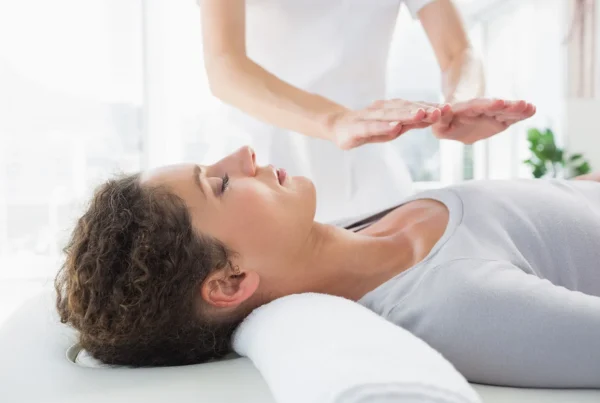
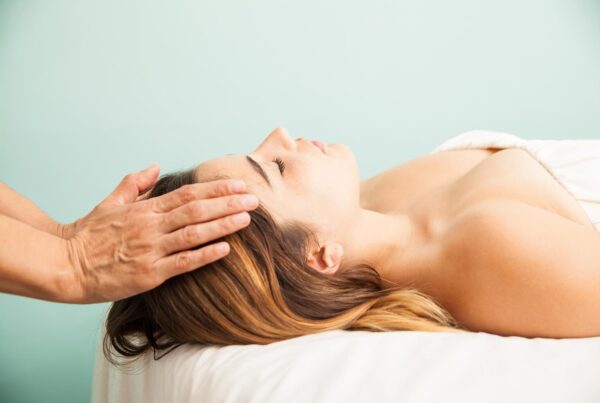
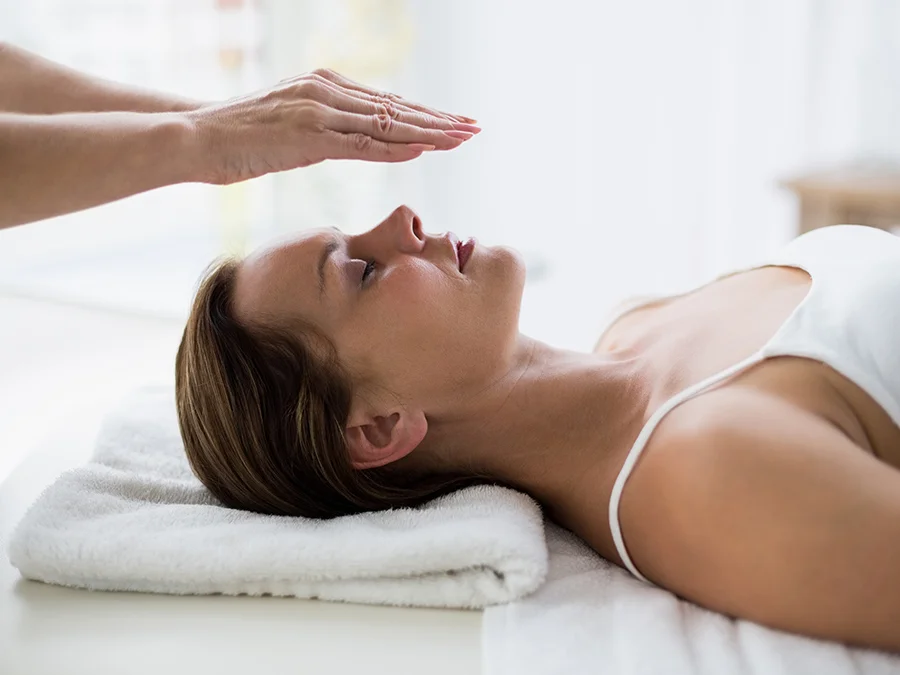
Effective Reiki massage sessions offer that reset for professionals who carry a lot. Walk with us as we break down how relaxation works, the role of massage, and practical tips on how to make it a constant in your life.
What Are Relaxation Practices and Why Are They Important?
Relaxation practices are simple, repeatable habits that calm both body and mind. As HealthLink BC puts it, to relax means to calm the mind, the body, or both. With such practices, your well-being is supported on 2 fronts.
- Physically, muscles may become less tense and more flexible.
- Mentally, your busy mind gets ample room to recover.
In this, some practices are hands-on, like massage, where a therapist does the work. Others are self-led, like meditation, mindfulness, and breathing exercises, needing only a few quiet minutes. Considering deep breathing signals one to calm down, breathing works fastest.
How Does Stress Affect Overall Wellness and Daily Balance?
Stress isn’t only a feeling; it also shows up in your body. When pressure stays high, your shoulders tighten, sleep turns shallow, and focus slips by mid-afternoon. No wonder small frustrations feel bigger, and evenings rarely cut it for adequate rest.
For many key players in Montreal, work rarely stays at work. More often than not, you’d find the line between your personal time and work commitments blurring as you hit the next milestone.
Statistics Canada found that 34.6% of managers work in their free time at least several times a month. So, striking a balance between both means creating intentional space for recovery in your otherwise busy routine.
What Are the Most Common Relaxation Practices for Everyday Wellness?
There’s a difference between an idea and what it takes to implement it. So naturally, the best relaxation practice is the one you’ll actually return to. Some take two minutes at your desk, while others deserve a booked hour. Here are the most common options:
- Massage therapy: A trained therapist releases tension by hand in a private room, so you fully switch off.
- Meditation and mindfulness: Focusing on the present moment quiets racing thoughts, even in five-minute breaks.
- Deep breathing exercises: Slow belly breaths, taken between meetings, settle your body within minutes.
- Yoga and gentle stretching: Easy movement loosens stiff muscles and pairs each breath with motion.
- Adequate rest and sleep: Only 76.8% of Canadian adults get adequate daily sleep, so rest deserves real priority.
Each of these calms the mind, perfect for everyday wellness. However, many of them do more than just relax your thoughts, ones that trigger positive physical changes in your body.
Take a Reiki massage, for example. This ancient healing therapy combines several benefits of key relaxation practices, providing deep relaxation and stress relief, increasing energy, and encouraging clearer thought.
How Do Relaxation Practices Support Physical Wellness
Stress leaves physical traces, from a stiff neck to shallow, hurried breathing, and this information is probably nothing new for you. But the good news is, relaxation practices work on those traces directly. Here’s how they support your body:
- Help reduce muscle tension: Massage and stretching release the neck and shoulder tightness that long desk days build.
- Encourage physical relaxation: As your breathing slows, your body follows too, easing a clenched jaw and raised shoulders.
- Support recovery after daily activities: Stretching and good sleep help muscles recover after workouts, flights, or long commutes.
- Promote better body awareness: With regular practice, you notice tension early and release it before it turns into stiffness.
As you can see, every practice delivers these benefits in its own way, with some asking more of your time than others. Hop to the comparison below to see where massage fits.
How Does Massage Therapy Compare With Other Relaxation Practices?
Whether you’re an executive or a leader, you’re aware no one solution works the same for people with different schedules and preferences. That said, all relaxation practices are distinct in their strengths. The right choice (or mix) is entirely up to what you want.
Feature |
Massage Therapy |
Meditation and Mindfulness |
Deep Breathing |
| Primary Purpose | Release physical tension and allow deep rest | Quiet the mind and sharpen focus | Calm the body in the moment |
| Techniques Involved | Hands-on strokes and pressure, sometimes with Reiki or hot stones | Guided or silent sitting, body scans | Slow belly breathing, paced counting |
| Physical Involvement | Passive (your therapist does the work) | Minimal (you sit or lie still) | Minimal (possible anywhere) |
| Mental Relaxation Benefits | Deep switch-off, with nothing to manage | Grows stronger with regular practice | A quick reset during stressful moments |
| Time and Consistency Required | About 60 minutes, booked every few weeks or as needed | 5–20 minutes, ideally daily | 1–5 minutes, any time |
| Suitability for Different Wellness Preferences | You struggle to switch off alone or carry physical tension | You enjoy quiet, solo routines | You need fast relief between meetings |
There’s no right or wrong answer here, just a simple assessment of what seems most ‘doable’ to you. For a closer look at massage styles, see how different types of massage therapy address different wellness goals.
When Should You Incorporate Relaxation Practices Into Your Daily Routine?
Some things are better off when they’re addressed on time. The same is true for relaxation. Reach for a practice:
- During stressful workdays, when two minutes of slow breathing between meetings can reset your focus.
- After physically demanding activities, gentle stretching or a massage aids recovery of tired muscles.
- Before bedtime, because meditation or gentle stretching signals your body that the day is done.
- During periods of mental exhaustion, when a professional massage lets you switch off without effort.
- As part of regular self-care, to make relaxation become a habit rather than an emergency fix.
So, pay attention to the moments when exhaustion gets the best of you. Who knows, that might be the only sign to bring relaxation practices into your daily routine.
How Can You Build a Balanced Wellness Routine Around Relaxation?
Knowing when to relax is half the picture. The other half is turning those moments into a routine. That said, a routine works best when it’s built around your real week. Here’s how to put one together:
- Identify individual wellness needs: Notice where stress shows up, be it tight shoulders, poor sleep, or a busy mind.
- Choose suitable relaxation practices: Match each practice to a need, using the comparison above as your guide.
- Establish realistic and consistent habits: Start small, like five minutes of breathing each morning, then build.
- Combine relaxation with physical activity and proper rest: Movement matters too. Only 46% of Canadian adults met activity recommendations from 2022 to 2024.
- Adjust practices according to changing needs: A launch week may need a massage; a quiet month, longer walks.
We’ve put a simple starting rhythm for you. Breathe for a few minutes daily and stretch most days. Then book a massage when tension builds faster than you can release it.
Remember! Daily habits handle small stress; expert hands handle the rest.
Why Is Consistency Important for Long-Term Wellness and Balance?
One spa day a year feels refreshing, but its calm rarely outlasts the next busy quarter. Expecting one massage session to undo months of pressure only sets you up for disappointment.
Regular practice, on the other hand, works differently. Each Reiki massage session teaches your body to settle a little faster. Small, steady habits also fit around meetings and travel, which keeps self-care sustainable and your life in balance.
Explore Personalized Relaxation Experiences for Your Wellness Goals
Mental fog, clenched jaw, and tense muscles don’t have to be the price of a demanding career. With the right practices, busy professionals (like you) can unwind efficiently without feeling like they’re living on the edge.
At Eternel Experiences, we believe the best therapy is the one you choose. Our Reiki massage pairs gentle energy balancing techniques with soothing touch. No prior experience is needed, only an openness to receive, and our team handles the rest.
Your calendar already holds every meeting that matters. Why not one that’s just for you? Reserve your Reiki massage, and give your week the reset it’s been asking for.
Frequently Asked Questions (FAQs)
Q1. How to balance productivity and relaxation?
Balance productivity and relaxation by scheduling recovery the way you schedule meetings. Short breathing breaks protect your focus during the day, and a regular massage resets the week. Rest isn’t time off from performing; it’s part of it.
Q2. What are the 5 main relaxation techniques?
The five main relaxation techniques are massage, meditation and mindfulness, deep breathing, yoga or gentle stretching, and quality sleep. Most are self-led and take minutes. Massage is the one where a professional does the work for you.
Q3. What are the benefits of a Reiki massage?
The main benefits of a Reiki massage are deep relaxation and stress relief. It’s also designed to lift your energy and support clearer thinking. At Eternel Experiences, we pair gentle energy balancing techniques with soothing touch for that reset.
Q4. How can you tell if Reiki is working?
You can tell Reiki is working when you feel calmer and more grounded during or after your session. Some people notice gentle warmth or a sense of lightness. Effects vary, so share what you feel with our therapists.