In this article
- How Does Massage Therapy Support Physical Recovery?
- How Can Massage Therapy Support Mental Relaxation?
- What Types of Massage Can Support a Stress-Recovery Routine?
- 1. Traditional Two Hands Massage
- 2. Hot Stone Massage
- 3. Four Hands Massage
- 4. Heated Sand Massage
- 5. Reiki Massage
- Why Recovery Matters for Busy Professionals
- How Can Massage Therapy Fit Into a Busy Schedule?
- How to Build a Sustainable Physical and Mental Stress-Recovery Routine
- Explore Different Type of Massages from Eternel Experiences & Start Your Stress Recovery Journey!
- Frequently Asked Questions (FAQs)
Working nine-hour days throughout the week can build stress. By Friday, your shoulders ache from hours at the desk while deadlines keep your mind busy well into the evening.
A packed calendar can leave little downtime, so that tension may last until the weekend. That’s why recovery goes beyond leaving work. It also depends on steady sleep and regular movement, along with relaxation you plan on purpose.
As one option for that planned relaxation, massage therapy can support a broader self-care routine, although it doesn’t cure stress or replace professional healthcare.
Instead, a dedicated massage session gives your body and mind planned time to rest, and picking the right format helps that time fit a busy week.
How Does Massage Therapy Support Physical Recovery?
Massage aids physical recovery through hands-on work that eases muscle tension from demanding days. Here are 5 ways massage helps your physical body to recover.
- Steady hand pressure encourages each muscle group to relax in turn.
- A massage after a long workday or intense workout often leaves your body more comfortable.
- Your therapist can give more attention to areas as per your requirements where you experience pain most often (the neck and lower back are common spots).
- The appointment gives your body a break from lifting or long hours at a desk.
- Massage pairs well with stretching and mobility work, plus rest and regular exercise.
How Can Massage Therapy Support Mental Relaxation?
Massage can help calm the mind by giving you time with no decisions to make (like away from your phone’s screen time). 3 parts of the experience make that calm possible.
- A quiet room and a silenced phone give your brain a pause from constant notifications.
- A booked appointment makes downtime a fixed plan rather than an afterthought.
- Regular visits can also make that planned downtime part of a consistent mind-body wellness routine.
What Types of Massage Can Support a Stress-Recovery Routine?
5 massage types fit a stress-recovery routine, and the right one depends on how much pressure and warmth you enjoy. The 5 formats below suit different recovery needs.
1. Traditional Two Hands Massage
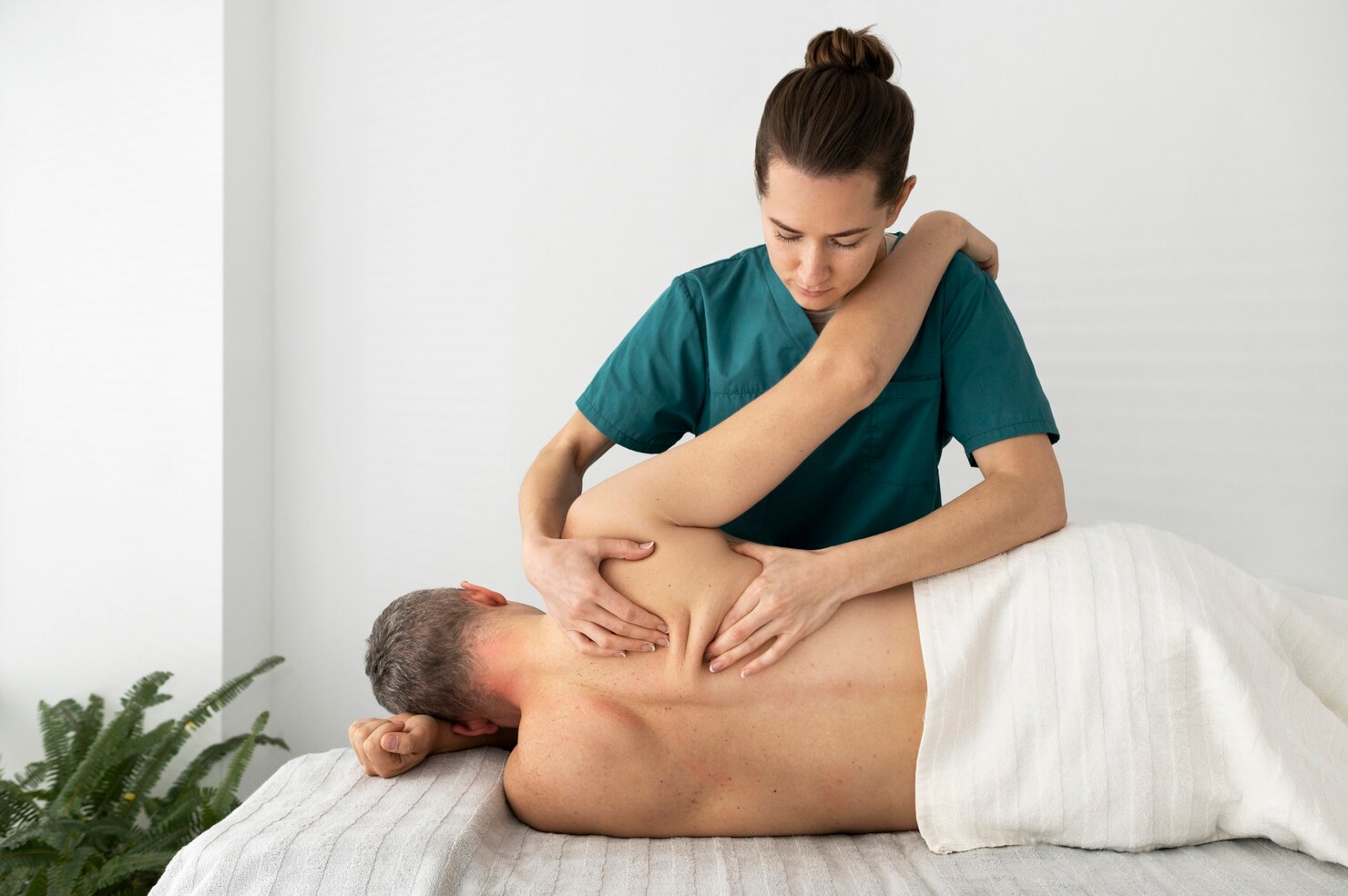
A Traditional Two Hands Massage involves one therapist working across your body at an unhurried pace. Since a 60-minute session fits into most weeks, the format suits ongoing recovery. 4 points explain why it helps with stress.
- The therapist notices how your muscles respond and adjusts the pressure as the massage progresses.
- Slow strokes give tense areas a chance to relax.
- Techniques such as myofascial release work on the connective tissue that wraps around tight muscles.
- A traditional two hands massage setup suits anyone new to massage.
2. Hot Stone Massage
A hot stone massage combines manual techniques with heated stones that warm your muscles before the therapist works deeper. Here are 4 details that shape the experience.
- Smooth obsidian stones hold heat well, so the warmth lasts throughout the session.
- The therapist also rolls warm Himalayan salt balls across the skin for a different texture.
- The heat from a hot stone massage session suits anyone who feels stiff after long hours of sitting.
- Anyone with heat sensitivity or a circulation issue should tell the therapist before the appointment begins.
3. Four Hands Massage
In a four hands massage, two therapists work on your body at the same time while matching their hand movements. Because both work together, this form of massage therapy covers more areas at once. Busy clients pick it for 4 reasons.
- One therapist can work on your shoulders while the other focuses on your legs.
- Following two pairs of hands at once is difficult, so your thoughts shift from work to the massage itself.
- The format suits professionals with little free time who want full attention in one visit (especially those coming home after a hectic workload — business and executive professionals)
- A 90-minute session fits best on a day with a free evening.
4. Heated Sand Massage
A heated sand massage requires you to lie on a table filled with warm sand while the therapist works on your muscles. The setup helps you relax in 5 ways.
- The sand’s warmth and gentle weight help your whole body feel supported.
- A soft towel separates you from the sand, which keeps the table clean and comfortable.
- Light therapy and a calm soundtrack keep outside distractions to a minimum.
- A beach-scented aromatherapy blend fills the room with a familiar summer smell.
- People who struggle to relax on a standard massage table often feel more at ease here.
5. Reiki Massage
Reiki Massage is a light-touch practice (originated in Japan) in which the practitioner rests their hands on or just above your body. Here are 4 things to expect from a session.
- Each hand position stays still for a few minutes, so the treatment keeps a quiet pace.
- The practice uses no firm pressure, so it may suit people who prefer a gentler experience than deep massage.
- For someone who feels overstimulated after a busy week, that stillness makes the session feel especially restful.
- You don’t need prior experience or any particular belief to try it.
Why Recovery Matters for Busy Professionals
Recovery matters for busy professionals because ongoing pressure lowers focus and energy over time. 5 realities explain why recovery needs a regular place in your schedule.
- Business owners and executives manage responsibilities that continue long after the workday ends.
- Constant work demands can make recovery feel optional, so professionals may keep putting it off.
- When productivity becomes the default priority, intentional downtime can start to feel unproductive.
- That pattern is easier to interrupt when recovery has a fixed place in your wellness routine, such as a monthly massage.
- Recovery works best as a sustainable habit rather than another performance metric.
How Can Massage Therapy Fit Into a Busy Schedule?
Massage therapy can fit a busy schedule when you book ahead and treat the appointment as planned personal time. 5 choices make that plan work.
- Booking a few weeks in advance secures your preferred time before meetings fill the week.
- Once you have room in the calendar, an evening before a day off can give you more time to rest afterward.
- Your massage schedule should also fit around sleep and exercise rather than compete with them.
- From there, choose a session length and pressure level that fit both your free time and comfort.
- A realistic pace (for example, twice a month) may be easier to maintain than a rigid weekly plan.
How to Build a Sustainable Physical and Mental Stress-Recovery Routine
A sustainable routine pairs daily habits with occasional wellness sessions. Here are 8 habits worth building.
- A consistent sleep schedule makes every other habit easier.
- Daily movement, even a short walk, eases stiffness.
- Planned relaxation between tasks lowers your stress.
- Regular breaks from screens and work give your mind a rest.
- Mindfulness or other calming activities help if they suit you.
- Massage and other wellness experiences should fit your lifestyle.
- Clear work hours protect your evenings and weekends.
- Small adjustments keep your routine manageable as needs change.
Explore Different Type of Massages from Eternel Experiences & Start Your Stress Recovery Journey!
Massage eases muscle tension and calms a restless mind, and those benefits last longer inside a routine you repeat every week.
For professionals in Montreal who manage heavy workloads, Eternel Experiences offers two main session formats to start that routine.
| Massage | Session length | Price |
| Traditional Two Hands Massage | 60 minutes | $130 |
| Four Hands Massage | 90 minutes | From $500 |
We also offer hot stone massage and heated sand massage for warmth, along with Reiki Massage for a lighter touch.
Busy week? Book your first session this week and put your recovery first!
Frequently Asked Questions (FAQs)
Q1. Can a massage reset your nervous system?
Massage can help calm your nervous system by encouraging the body’s rest-and-digest response. As your breathing slows and muscles relax, many clients call that shift a reset. Steady sleep helps that calm last beyond the session.
Q2. What not to do during a massage?
Staying silent when the pressure feels wrong is the biggest mistake. A quick comment lets your therapist adjust right away. Checking your phone or holding your breath also keeps your body tense.
Q3. Which massage to choose when going through mental health issues?
A gentle option such as Reiki Massage often feels most comfortable during a hard time. Massage can support your care, but it does not always treat a mental health condition. So, your doctor or counselor should stay involved, too.
Q4. Is it normal to feel emotional during a massage?
Yes. It can happen. When you finally slow down after a stressful week, feelings like relief or sadness may come up, and some people even tear up. If you need a moment, your therapist can pause and give you time to settle.