In this article
- What Is Natural Fluid Movement and Why Does It Matter?
- 6 Common Lifestyle Factors That Can Affect Natural Fluid Movement
- 7 Signs Your Body Need Support for Natural Fluid Movement
- 1. Feeling Puffy or Bloated More Often Than Usual
- 2. Swelling in Certain Areas of the Body
- 3. Feeling Heavy or Sluggish
- 4. Discomfort After Long Periods of Sitting
- 5. Tightness or Fullness in the Legs
- 6. Difficulty Feeling Fully Recovered After Travel
- 7. General Feelings of Stagnation or Reduced Vitality
- 6 Reasons Modern Professionals May Be More Likely to Experience These Challenges
- 1. Desk-Based Work Environments
- 2. Increased Screen Time
- 3. Long Working Hours
- 4. Reduced Daily Movement
- 5. High-Stress Schedules
- 6. Frequent Business Travel
- What Is Lymphatic Drainage and How Does It Work?
- Consider Professional Lymphatic Drainage & Work on Your Natural Fluid Movement!
- Frequently Asked Questions (FAQs)
- Q1. Can sitting for long periods affect fluid movement?
- Q2. Who typically seeks lymphatic drainage treatments?
- Q3. Can lymphatic drainage be part of a wellness routine?
- Q4. What are common signs of reduced lymphatic circulation?
A face looking fuller than the week before may be a common occurrence for you. But upon looking in the mirror, you find that there’s an unusual swelling under the eyes. Not just that, but heavier or stiffer limbs & shiny skin also become a regular point of concern for you.
If any of these experiences ring a bell, chances are, your body needs support for natural fluid movement. That’s right, many people are unaware of the existence or importance of a healthy lymphatic system, leading to prolonged discomfort & high-impact attempts to reduce the ‘swelling’ showing up on various parts of their bodies.
Modern times are defined by sedentary lifestyles, with each day contributing to more sitting hours than movement. Combined with stress, excess body weight, or old surgical procedures, this lifestyle stalls lymph flow & adversely affects natural fluid movement throughout your body. To address this, lymphatic drainage massages are among the several approaches people trust.
What Is Natural Fluid Movement and Why Does It Matter?
People aren’t wrong when they say that your body is a temple. It’s only fair if you treat it like one. The natural fluid movement of your body refers to the continuous, unobstructed circulation of your body’s lymphatic system. Here, the fluid carries white blood cells, proteins, cellular waste, & toxins throughout your body’s vast network of vessels & nodes.
Though present in fluid form, the lymphatic system doesn’t behave like blood — relying on a central pump ‘heart’. Rather, the movement highly depends on muscle contractions, breathing, & targeted massages. And when the lymphatic system functions well, it effectively reduces swelling, flushes out toxins, & enhances nutrient absorption by your body.
6 Common Lifestyle Factors That Can Affect Natural Fluid Movement
It’s almost too difficult to change your lifestyle according to what your body really needs. However, it’s always better to be aware of the factors that worsen your condition. As put forward before, the natural fluid movement is easily restricted by a lack of physical movement. But is it the only factor affecting natural fluid movement? Experts don’t think so. Other factors include:
- Prolonged Sitting and Sedentary Habits
- High Levels of Stress
- Limited Physical Activity
- Frequent Travel and Long Flights
- Poor Sleep Habits
- Busy Professional Lifestyles
7 Signs Your Body Need Support for Natural Fluid Movement
Handling your lymphatic system is unlike letting a wound heal. It’s not that you’d let time pass, do nothing, & expect it to be on track in a day or two. That said, external intervention is often needed, whether medicated or therapeutic. You can proceed with either of the options, depending on the signs you’re going to identify for your lymphatic system.
1. Feeling Puffy or Bloated More Often Than Usual
It’s common to have puffiness on your face, hands, or abdomen due to fluid retention or hormonal issues. But it becomes a bigger problem when it persists for a prolonged period. Considering how your body relies on an active lymphatic system to circulate fluids naturally, persistent swelling may indicate the system’s inability to process fluid & waste buildup.
- Mornings start with swollen under-eyes.
- Abdominal area bloats way too often (even while eating clean).
- Rings, watches, or clothing items often feel ‘tighter’ than before.
2. Swelling in Certain Areas of the Body
One of the core signs your body may indicate it needs a lymphatic drainage massage involves swelling in specific areas. Simply put, the fluid meant to be drained out of your system gets stored & continues to accumulate in your tissues. For this reason, circulatory support is needed in the affected areas.
- Skin noticeably appears stretched, shiny, & lacking color.
- Temporary dents or pits form on your skin when you gently press with your finger.
- Shoes & socks no longer feel comfortable to wear by the end of the day.
3. Feeling Heavy or Sluggish
There are days when your motivation is at an all-time low. Instead of assuming it stems from burnout, consider whether it’s a sign that your body needs lymphatic drainage. When excess fluid accumulates in your tissues, it tends to exert pressure on your body & in turn, limit mobility.
- Energy is inexplicably low.
- No motivation to move.
- Feeling fatigued & heavy is not something new.
4. Discomfort After Long Periods of Sitting
If you’re a desk job person, you’d know the discomfort that follows after an 8 to 9-hour shift. The sedentary lifestyle isn’t something you can fully control. So, when natural fluid movement is affected by it, it’s likely caused by localized fluid pooling.
- Tingling, mild numbness, or cramping in your legs.
- Sharp pain that eases after a few minutes of activity.
- Gradual onset of sore lower limbs.
5. Tightness or Fullness in the Legs
Fuller legs aren’t always something you should ignore. Sometimes, they’re a result of inadequate lymphatic drainage. And it isn’t just your thighs that may be affected by the fluid accumulation, but also the calves & ankles. With this problem, weekend getaways or regular hikes seem no less than climbing a summit.
- Legs feel unbearably heavy by the end of the day.
- Marks and/or indentations are visible after hours of wearing socks.
- Persistent stiff feeling that doesn’t go away without walking.
6. Difficulty Feeling Fully Recovered After Travel
If traveling by plane, train, or car is a frequent thing for you, then you’d be familiar with the fatigue that follows. The prolonged period of immobility puts your lymphatic system in a ‘sluggish’ mode, making it harder for the body to balance its internal fluids.
- Swelling in feet or ankles takes longer than usual to deflate.
- Stiffness in the body & compromised recovery way after arriving at a desired destination.
- Need for extensive physical rest & compression techniques to bring relief.
7. General Feelings of Stagnation or Reduced Vitality
Your body has a natural waste-removing system. But when the fluid movement is restricted, it affects more than just your physical limbs. The stagnancy of the cycle aids in an overall decline in vitality & immune function.
- Brain fog, memory loss, & mental fatigue become a regular topic of conversation.
- Dry skin or dullness.
- Frequent head colds & sinus congestion.
6 Reasons Modern Professionals May Be More Likely to Experience These Challenges
The lack of adequate lymphatic drainage doesn’t happen by itself. It’s triggered by a lifestyle based on limited movement & high stress levels. Modern work professionals, driven by hustle culture & a desire to outperform the rest, often tire themselves to the brink of burnout. In this, their natural fluid movement is compromised.
1. Desk-Based Work Environments
Being seated in a comfortable chair for prolonged hours may seem like a manageable task. However, the moment an employee gets up to check out for the day, they experience a level of discomfort that can’t be described with mere words. As it turns out, the lymphatic system is affected, leading to slowed natural fluid circulation.
- Lower limbs are more likely to experience fluid pooling.
- Muscle contractions are limited, leading to inadequate fluid movement.
- Stiffness & swelling become a commonality by shift’s end.
2. Increased Screen Time
It doesn’t really matter if modern professionals are engaged in a session of doomscolling on the internet or completely invested in tasks for the day. The point is, they are practically glued to their screens, consuming content, tiring their brains, & not realizing the toll it’s having on their health.
- Extended screen use is an effect of the modern working lifestyle.
- Poor posture contributes to tension & physical discomfort.
- Breaks for stretching or walking become a rarer sight each day.
3. Long Working Hours
The working hours leave little to no room for self-care, exercise, or recovery from burnout. So, once you’ve normalized putting your needs aside, your body starts to give more obvious signs that it needs attention. A sedentary lifestyle is never suitable for maintaining healthy circulation or fluid balance without the help of a lymphatic drainage massage.
- No time or motivation for physical activity outside work life.
- Increased likelihood of skipping meals & neglecting hydration.
- Higher risk of physical & mental fatigue.
4. Reduced Daily Movement
A typical day starts from the bed & ends at the bed. There’s no real space for walking, going on fun hikes, or just playing physical games together. Instead, people resort to the ‘ease’ created through elevators, ride-sharing services, & remote work setups. Lymphatic circulation is adversely affected by reduced muscle activity.
- Lack of motivation to move or be productive.
- Fewer walking opportunities.
- Extended periods of sitting rather than moving.
5. High-Stress Schedules
Stress doesn’t just affect your mind or make you sweat. It is harbored in every muscle of your body. The lives of modern professionals aren’t that easy with elevated stress levels. Not only do they stay in a persistent state of restlessness, but their bodily functions are also compromised.
- Sleep quality declines.
- Healthy routines are neglected more often.
- No improvement in muscle tension & discomfort.
6. Frequent Business Travel
Individuals engaged in business travel often spend long hours sitting in various types of vehicles. As a result, these extended periods of immobility disrupt the circulation of lymphatic fluids & cause several changes to the physical body.
- Swelling in the legs & feet.
- Recovery may take longer than usual.
- Intensified feelings of heaviness & fatigue.
What Is Lymphatic Drainage and How Does It Work?
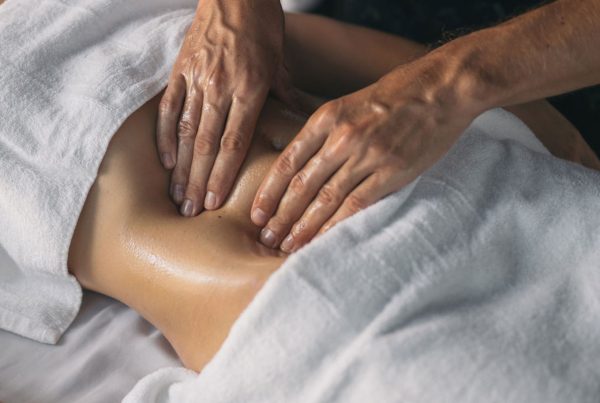
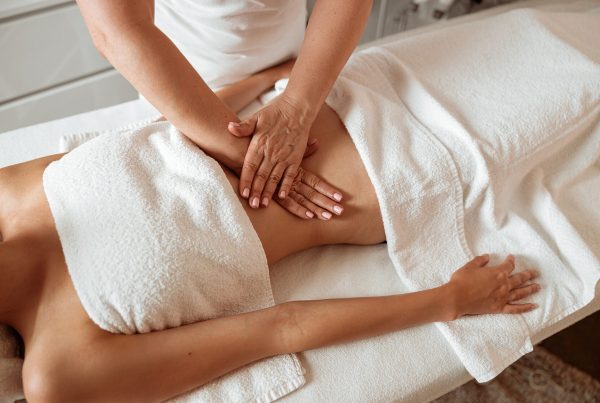
It is completely possible to bring new habits into your routine to help your lymphatic system function better. However, it can always get better with a holistic option, such as lymphatic drainage. The practice refers to a specialized, gentle therapeutic technique that aims to stimulate the body’s lymphatic system.
Unlike traditional massages, therapeutic experts use light, precise, & rhythmic hand movements to stretch the skin & target the lymphatic vessels just beneath its surface. Considering how the direction is targeted, the technique helps guide trapped fluids (within tissues) toward active lymph nodes for filtration & subsequent drainage.
Consider Professional Lymphatic Drainage & Work on Your Natural Fluid Movement!
Establishing a healthier routine & incorporating basic movement are always good steps toward achieving wellness goals. Slowly but surely, you begin to walk more frequently, eat cleaner, & stay more hydrated than you used to before. While these are essential steps to ensure your lymphatic system functions properly, a therapeutic appointment can always help.
That’s right. Lymphatic drainage massages offer a holistic way to flush out waste, excess fluids, & toxins from your body. So, beyond just keeping you relaxed on the massage table, this technique does more for your internal & external health than you’d realize.
- Reduces puffiness & water retention.
- Detoxes the body & supports a healthy immune system.
- Provides deep relaxation to the nervous system.
At Eternel Experiences, our team understands our clients’ concerns. From persistent swelling to frequent discomfort in the legs, there are many signs that indicate a poor lymphatic flow. To address this, we offer a deeply intentional experience to detoxify the body, boost the immune system, & promote relaxation — all at the same time.
Frequently Asked Questions (FAQs)
Q1. Can sitting for long periods affect fluid movement?
Yes, sitting for long periods adversely affects natural fluid movement in your body. Your muscles need movement for your lymphatic system to work properly, and without it, fluid pooling, swelling, & stiffness are prevalent.
Q2. Who typically seeks lymphatic drainage treatments?
Lymphatic drainage treatments are typically sought by individuals involved in a sedentary lifestyle, frequent travelers, post-surgery recovery patients, or those who have long working hours (with no time for adequate movement).
Q3. Can lymphatic drainage be part of a wellness routine?
Absolutely. Lymphatic drainage massages can be an active part of a wellness routine by pairing them with healthier habits, such as regular exercise, proper hydration, balanced nutrition, & quality sleep.
Q4. What are common signs of reduced lymphatic circulation?
Your lymphatic circulation requires attention by either a healthcare practitioner or a massage therapist if there is frequent puffiness, swelling in specific areas, feelings of heaviness & stiffness after prolonged sitting, slow recovery after traveling, & sluggishness.